
HiShroom strips appear to be the first thing I’ve managed to take every single day. No pills to swallow, no glass of water needed. One just melts on my tongue, so I actually remember to take it.
Gregory B.
A closer look at the small changes that can make everyday life feel less independent, plus 7 patterns worth noticing

I feel more confident managing my everyday routine now. I’m keeping up with errands and plans, and I don’t need as many reminders from my family. Those little things matter to me because I want to keep doing things for myself.
Eva R.
Customer experience has not been independently verified. Individual results may vary. Images are illustrative.

Do you find yourself checking the same little things before leaving home, even when you used to feel ready without a second thought?
Have you started putting off a familiar errand until someone else can come with you?
Do you feel grateful when family offers to help, yet wish you did not need quite so many reminders?
And does a week that used to feel full now seem to revolve around the few things that feel easiest?
If any of this sounds familiar, start here: wanting to keep doing things for yourself is understandable. You deserve a clear look at what is changing.
Because it is about more than getting through a to-do list.
It is standing by the front door with your bag ready, then wondering whether you have remembered everything. The errand is familiar. The extra hesitation is what feels different.
It is wanting to make your own arrangements, choose your own time, and leave the house without turning a simple trip into a family discussion.
Sometimes, the hardest part is a kind offer: “I can do that for you.” You appreciate the thought. At the same time, you still want a chance to do it yourself.
Nobody else has to see a big change for you to notice a small one. A task takes more preparation. You ask for an extra reminder. An invitation goes unanswered while you decide whether it feels like too much.
And beneath those moments is a very ordinary wish: to remain the person making the choices in your own day. You do not have to turn that wish into a test of whether you can manage everything alone.

When ordinary tasks start feeling less straightforward, it is easy to settle on an explanation before you have really looked at the pattern.
Perhaps you have caught yourself thinking:
“I should be able to manage this without thinking about it.”
“Maybe I am just not as capable as I used to be.”
“It is easier to let someone else sort it out.”
“I do not want to make a fuss.”
Then the task gets handed over, postponed, or quietly taken out of your week.
But a difficult afternoon does not define your ability. And accepting help does not mean giving up your independence. The useful question is what has changed, and what kind of support would actually help.
Start with the situations themselves. Is the problem remembering a detail, organizing the steps, finding the energy, or feeling uncertain? Different problems may call for different answers.
Independence often lives in small, familiar sequences. Gathering what you need. Remembering an arrangement. Finishing an errand. Choosing what comes next.
When those sequences feel easy, you barely notice them. When they begin to take more effort, you may notice every pause.
That does not point to one hidden deficiency or one guaranteed solution. Changes in memory or thinking can have several causes, including medicines and health conditions, and can deserve a medical assessment.1
It does mean your everyday experience is worth describing clearly. A specific example gives you more to work with than the thought that you are simply “getting old.”
One useful daily check is simple: What do I want to do today, what do I need to do it, and where would a little support make it easier?
The seven situations below can help you notice a pattern. They are not a test, a diagnosis, or proof that you need a supplement.
Think of them as starting points for understanding your own routine.
Take a familiar outing. You decide when to leave, collect your bag and keys, remember what you need, and find your way through the tasks. Each step is ordinary. Together, they give the outing its familiar rhythm.
When one step starts taking more effort, the whole outing can feel harder than it used to. Pinpointing that step is more useful than deciding you are no longer capable.
It can also make a conversation with family easier. Instead of handing over the entire errand, you can explain which part you would like help with and which part you want to keep doing.

You have the keys in your hand. Your bag is packed. Still, you pause to check the door, then check again before you feel ready to go.
The extra step can look small from the outside. For you, it may be the part that turns a straightforward departure into a moment of doubt.
Notice what you are checking and why. A simple place for your essentials or one clear leaving-home routine may be useful. If the change is persistent or concerning, describe it to a health professional.

Perhaps it is a short shopping trip you have made many times. You mean to go, but decide it can wait until tomorrow or until someone is free to join you.
There can be many reasons for delaying an errand. The point is to notice whether postponing has become a pattern, rather than deciding one missed trip says something about your independence.
Ask what would make the outing more manageable. A shorter list, a quieter time, or company can be practical choices that leave you involved in the decision.

An appointment card becomes something you pass across the table. A booking becomes something you ask someone else to make, even though you would like to stay involved.
Help can be welcome. What matters is whether the arrangement suits you, or whether you feel that familiar decisions are gradually being made around you.
You can ask for support while keeping your voice in the process. Read the details together, choose the time yourself, or agree on a reminder that works for you.
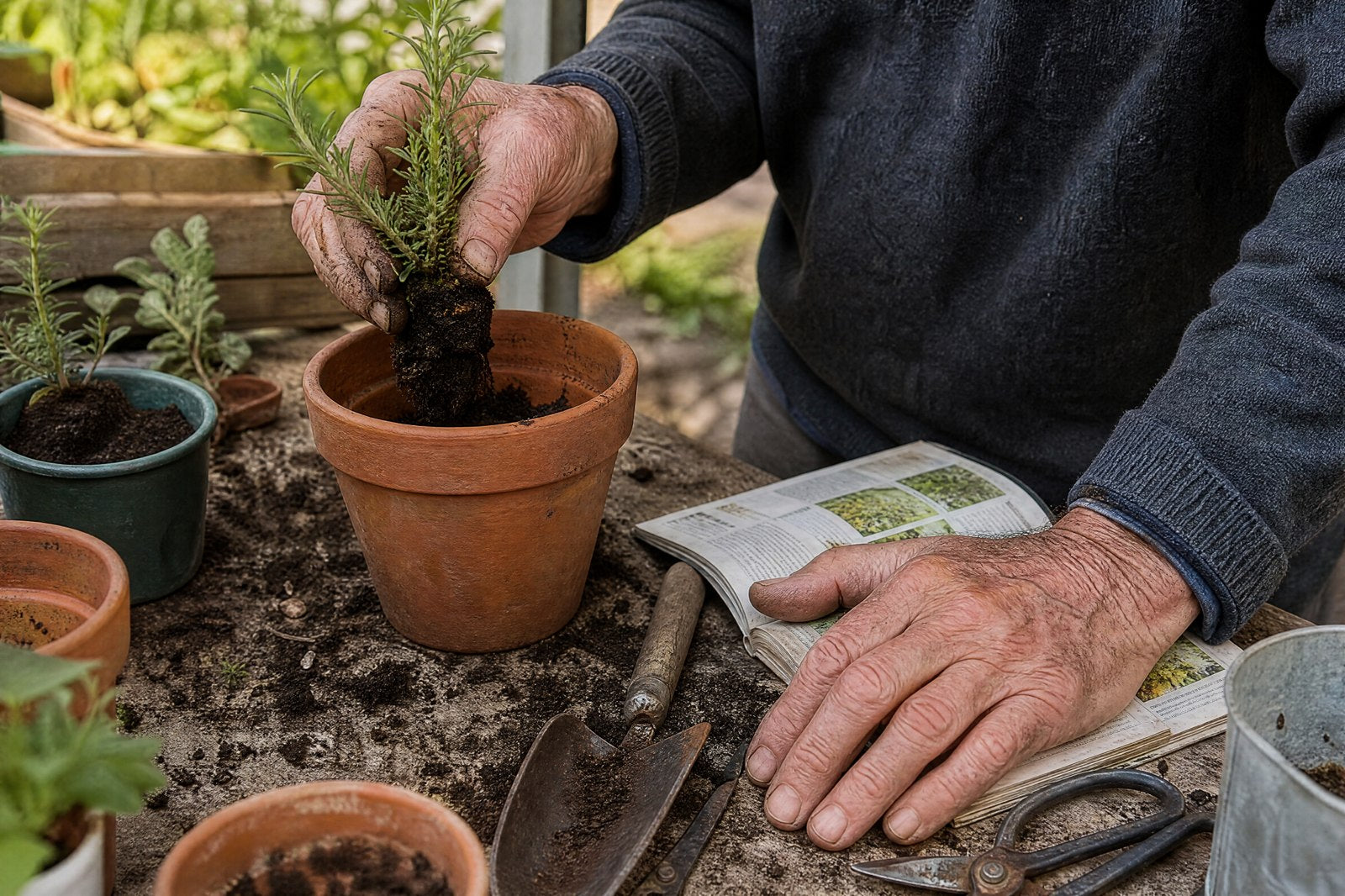
You know the activity. It might be preparing something in the kitchen, tending your plants, or sorting the things you need for a visit. Yet you hesitate over the next step.
Sometimes slowing down is enough. Sometimes you need a clearer sequence or someone to talk it through with you. Neither response takes away the value of doing the task yourself.
Pay attention if familiar activities are becoming noticeably harder. Give a clinician concrete examples rather than trying to explain the whole experience in one word.

The invitation is to something you would normally enjoy. Instead of answering, you begin thinking through the arrangements: what to bring, when to leave, and whether you will feel comfortable.
It can be helpful to separate wanting to go from the practical details of getting there. You may still want the company even when planning the outing feels demanding.
Choose one detail to settle first. Confirming the time or arranging to meet a friend may help you decide without treating the entire outing as one large obstacle.

Reminders can support independence. A note, an agreed check-in, or a familiar place for important items can help you stay involved in your own plans.
What is worth noticing is a change: needing substantially more help with arrangements you used to manage, or missing important tasks despite the reminders. If that is happening, ask for an assessment.

It may be easier to notice the pattern across a week than in one moment. A postponed errand here. A hobby left for later. An invitation you never answered.
None of those choices tells the whole story on its own. Together, they may help you put into words what you mean when you say you want to keep doing more for yourself.
Choose something that matters to you and consider the next manageable step. Independence can include sensible support, shared plans, and adjustments that keep you participating.
Instead of judging yourself by a difficult moment, look at the steps involved. That can make the situation easier to describe and the support easier to choose.
What matters to you today?
What will make it manageable?
Stay involved in your own day.
A practical way to think about a routine, not a clinical score or prediction.
You do not need to wait for a dramatic change before talking about something that concerns you. New or worsening memory difficulties, or trouble managing daily activities, are worth discussing with a qualified health professional.
Keep the description concrete. Explain what used to feel straightforward, what feels different now, and when you first noticed it.
A wellness product is a separate choice. It should not replace finding out why an everyday activity has become difficult. Sudden confusion or a sudden change in memory requires urgent medical attention.
An oral strip can be a practical format without being a treatment for loss of independence. Dietary supplements are not a substitute for assessment or treatment of a memory disorder.2
Her account centers on errands, plans, and feeling more involved in her own everyday routine.

I feel more confident managing my everyday routine now. I’m keeping up with errands and plans, and I don’t need as many reminders from my family. Those little things matter to me because I want to keep doing things for myself.
Eva R.
Individual experience, not a guaranteed result. Portrait is an illustrative model.

Less preparation. A familiar daily step.
The point is to choose a routine that is manageable in the life you already have. You do not need an elaborate ritual or a separate drink to prepare.
Before choosing any product, though, look beyond how easy it is to take. Read what the serving actually contains.

A powder, a capsule, and an oral film can contain very different formulas. Sharing a mushroom name does not make two products interchangeable.
HiShroom lists Lion’s Mane, Cordyceps, Maitake, and Shiitake in its Mushroom Focus Strips. The amounts are stated per strip so you can check the serving.
Look for the form of the ingredient and the actual amount. A large number on the front of a package may describe the full box or complete film, rather than the amount of one mushroom in one serving.
Do not increase a serving to imitate an amount you have seen in a study. Follow the product label and discuss supplement use with your clinician if you take medicines or have health conditions.
A clear purchase starts with a clear label. The format, serving, directions, and terms should all make sense before you order.
Dr. Richard Walsh, Neurology
When considering a daily supplement, three details belong together: the formula, the serving, and the practical steps involved.
HiShroom uses a prepared oral film. There is no scoop to find or capsule to swallow. The strip goes on your tongue and dissolves there.
The chocolate flavor and compact tin are part of that everyday format. A small routine should be easy to explain and easy to follow.


HiShroom strips appear to be the first thing I’ve managed to take every single day. No pills to swallow, no glass of water needed. One just melts on my tongue, so I actually remember to take it.
Gregory B.
I love my HiShroom strips! One melts on my tongue after lunch and tastes like rich chocolate with a little hint of coffee. It’s become the part of my day I look forward to. There’s only the one flavour, but honestly, I don’t need another. Give it a try!
Diane Z.
I’ve been enjoying my HiShroom strips for a few weeks and I genuinely look forward to them. I take one each morning with my first cup of tea, before I head out for my walk with the grandchildren. The chocolate taste with that hint of coffee is lovely. I did a lot of research before buying, and I’m glad I made this choice. It’s the one routine I haven’t dropped.
Rocio W.
Customer accounts supplied to HiShroom. Photos are illustrative models, not the named reviewers. Individual experiences vary.
HiShroom oral film Capsule format
I feel more confident managing my everyday routine now. I’m keeping up with errands and plans, and I don’t need as many reminders from my family. Those little things matter to me because I want to keep doing things for myself.
Eva R.
HiShroom strips appear to be the first thing I’ve managed to take every single day. No pills to swallow, no glass of water needed. One just melts on my tongue, so I actually remember to take it.
Gregory B.
I love my HiShroom strips! One melts on my tongue after lunch and tastes like rich chocolate with a little hint of coffee. It’s become the part of my day I look forward to. There’s only the one flavour, but honestly, I don’t need another. Give it a try!
Diane Z.
I’ve been enjoying my HiShroom strips for a few weeks and I genuinely look forward to them. I take one each morning with my first cup of tea, before I head out for my walk with the grandchildren. The chocolate taste with that hint of coffee is lovely. I did a lot of research before buying, and I’m glad I made this choice. It’s the one routine I haven’t dropped.
Rocio W.
No pills to swallow, no glass of water needed.
Gregory B. • Excerpt from the account above
It’s the one routine I haven’t dropped.
Rocio W. • Excerpt from the account above
Individual experiences vary. Customer accounts have not been independently verified.

A quick daily step before you head out. A compact tin that fits beside the things you already carry. No separate drink to prepare or powder to measure.
Then your attention can return to the day itself: the errand you want to handle, the friend you want to see, or the familiar activity you enjoy.
Those everyday choices are personal. They do not have to look impressive to matter. Picking your own time to leave, remembering an arrangement, and staying involved in the plans can mean a great deal.
That is the part of Eva’s account that stands out. She describes wanting to keep doing things for herself.
Your independence is bigger than a supplement. It includes the choices you make, the support you use, and getting the right advice when something changes.
If a daily mushroom supplement is also something you are considering, the next step is practical: understand the product and decide whether its format fits your routine.
It might mean heading to the shops at the time you choose, instead of waiting for someone else to finish work. It might mean making the phone call yourself, with the appointment details written down beside you.
Or it might be something you would never put on a list of achievements: being ready when a friend calls, taking the bag you packed yourself, or deciding to stay a little longer because you are enjoying the company.
There is room for help in that picture. You can welcome a lift, share a task or ask someone to check a detail while still having a say in what happens next.
Start with the product information. Each tin contains 30 chocolate-flavored oral strips, and the directions are one strip daily.
The thin film is placed on your tongue and allowed to dissolve. No water, measuring, mixing, or capsule swallowing is needed.
The label lists the four mushroom ingredients and their amounts per strip. It also lists other ingredients and cautions, which belong in the decision just as much as the product name.
There is one detail worth keeping straight: a tin is a supply of daily servings. Taking extra strips does not turn it into a different product with a proven faster result.
Choose the amount you want to purchase, then continue to follow the same daily directions. The current product page shows the available options and total price before checkout.
You can read the label farther down this page as well.
One melts on my tongue after lunch and tastes like rich chocolate with a little hint of coffee.
Diane Z. • Excerpt
I take one each morning with my first cup of tea, before I head out for my walk with the grandchildren.
Rocio W. • Excerpt
One just melts on my tongue, so I actually remember to take it.
Gregory B. • Excerpt
I’m keeping up with errands and plans, and I don’t need as many reminders from my family.
Eva R. • Excerpt
These excerpts describe individual experiences, not results everyone will achieve.
Once you have decided on a daily supplement, the next question is usually practical: how much do you want to keep at home?
You might prefer to begin with one tin. You might find it easier to order a few at once so that replacing an empty tin is one less errand to think about.
The product is the same in every option. The difference is how many tins arrive and how much each one costs.
Buy one tin for $39.99, with 31% off. It contains 30 strips, which is 30 daily servings at the label direction of one strip per day.
Buy three tins for $104.99, with 40% off. That works out to $35.00 per tin when rounded, with 90 strips in the order.
Buy six tins for $162.99, with 53% off. That works out to $27.17 per tin when rounded, with 180 strips in the order.
If you are comparing the options, look at both figures: the total you pay now and the cost per tin. A larger order lowers the per-tin price, but the smaller option may suit your budget better.
You can keep one tin with your everyday things and store the rest according to the label. There is no need to open all of them at once.
For Eva, the appeal of a manageable routine is tied to a bigger wish: keeping up with her own errands and plans. A purchase should fit that everyday life, too.
Follow the one-strip daily direction on the label. Ordering more tins does not change that serving.
Do not double the serving to try to speed things up. A bigger bundle is a supply choice, not a different way of taking the product.
Read the full directions and storage instructions when your order arrives. If you have questions about taking a supplement alongside medicines, show the label to your clinician.
Choose the quantity you are comfortable with, follow the directions, and keep the routine straightforward.
You do not need to build your day around a supplement. The aim is a manageable step in a routine that already belongs to you.
Keep the bigger picture in view. Stay involved in your plans, use support where it helps, and get new or worsening difficulties checked.
When you are ready to compare the purchase options, use the current offer below. You will be able to review the product, quantity, and terms before ordering.
For example, you might choose a familiar point in your day when you are already at home and have a moment to yourself. The same cue can be easier to remember than a new time you have to keep checking.
The tin is compact enough to carry when you are out. Keep it closed and stored as directed, and use the same daily serving whether you are at home or away.
Six tins contain 180 daily servings for $162.99. Three contain 90 for $104.99. One contains 30 for $39.99.
Those numbers help you plan a purchase. They do not promise that a particular number of tins will change how independently you manage your day.
Choose the supply that suits your everyday routine.
Our lowest price per tin is in the 6-tin bundle.
Per-tin prices are rounded. The totals shown above are the bundle prices.
A daily supplement is something you should be able to work into your budget. That is why the options are shown together, with the full price beside the number of tins.
One tin is $39.99. Three tins are $104.99 in total, or $35.00 each when rounded. Six tins are $162.99 in total, or $27.17 each when rounded.
The six-tin option gives you our 53% discount. It contains the same strips as the one-tin option, with the same one-strip daily direction. The saving comes from the quantity you order.
Think about where a purchase fits alongside the other things you spend money on. The lowest cost per tin is useful only if the total order makes sense for you.
Perhaps you prefer one tin while you decide whether the format suits you. Perhaps you already know you like having a supply at home. Both are reasonable ways to choose.
You can see the quantity, total and daily servings before you decide.
Every option is covered by our 365-Day Money-Back Guarantee. You can read more about that below.
Here is what happens next:
Select an offer to visit the HiShroom product page. Choose the corresponding quantity, review your order total and shipping details, then complete checkout when you are ready.
The article itself does not place an order. You remain in control of the quantity you choose and the information you enter at checkout.
Your order contains HiShroom Mushroom Focus Strips in the quantity selected. Each tin holds 30 chocolate-flavored strips, ready for the one-strip daily routine described here.
Your HiShroom order is backed by our 365-Day Money-Back Guarantee. You have a full year to try the strips. If you are not satisfied, contact our customer care team for help with your refund.
Keep your order details so the team can find your purchase. Email info.hishroom@gmail.com for assistance and review the full return and refund policy for the conditions that apply.


I feel more confident managing my everyday routine now. I’m keeping up with errands and plans, and I don’t need as many reminders from my family. Those little things matter to me because I want to keep doing things for myself.
Eva R.
Customer experience has not been independently verified. Individual results may vary. Portrait is an illustrative model.
Perhaps it is choosing when to go to the shops. Keeping an arrangement with a friend. Spending time on a hobby without feeling that the whole afternoon needs organizing around it.
Perhaps it is simply feeling more involved when someone helps you make a plan. Independence does not have to mean refusing support.
The useful starting point is your own day. Choose one thing that matters to you and consider what would make it easier to take part.
If something has changed, say so. If you need an assessment, arrange one. And if you are choosing a daily wellness product, make that choice with the facts in front of you.
A routine should fit into your life. Your life should not have to shrink to fit a routine.
Picture the ordinary things you would like to keep in your week. A visit to the library. A short outing with someone you enjoy. Time at the potting table. The freedom to change your mind about what to do after lunch.
Choose one of those things and start with the practical details. What time suits you? What will you need to bring? Is there one part someone could help with, while leaving the rest to you?
That is a more useful place to begin than comparing yourself with a younger version of yourself, or with someone whose days look completely different.
Wanting to keep doing things for yourself is a meaningful goal. It can guide the questions you ask, the help you accept, and the routines you choose.
HiShroom offers four mushroom ingredients in one chocolate-flavored oral strip. The compact tin and prepared serving are practical features you can weigh alongside the formula and cost.
Read the product details. Compare the available options. Decide whether this is a routine you want to add.
Eva’s experience is her own. Your decision should rest on your circumstances, the product information, and advice about any health concerns you have.
When you are ready, the button below takes you to the current HiShroom offer.
There is no need to turn the decision into another complicated project. You can see the format, the ingredients, the daily direction and the three purchase options on this page.
If the strips suit what you are looking for, choose the amount that makes sense for you. If you want to discuss the label first, take it to someone qualified to answer your questions.
The important part of Eva’s account is easy to understand. She wants to keep doing things for herself. A manageable routine is one part of how she describes that experience.
Your own day will have its own priorities. Keep those in view as you decide what to add to it.
Yours in health,
Buy 1: $39.99 · Buy 3: $104.99 · Buy 6: $162.99

| Mushroom ingredient | Per strip |
|---|---|
| Lion’s Mane | 30 mg |
| Cordyceps | 25 mg |
| Maitake | 25 mg |
| Shiitake | 20 mg |
One strip daily. Refer to the complete product label for other ingredients, directions, cautions and storage instructions.
Customer accounts are individual experiences and have not been independently verified. Lifestyle and review portraits are illustrative. No clinical independence outcome is established by these testimonials.